Canine Body Language
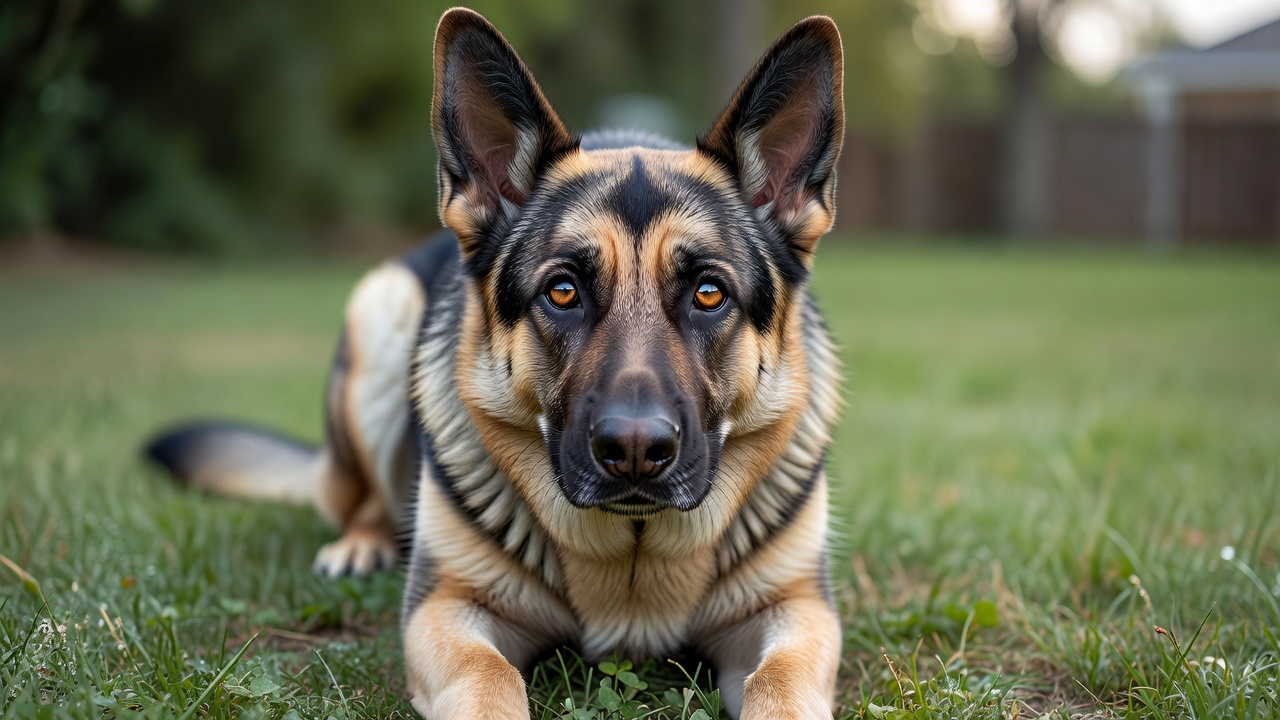
The Silent Dialogue
Every dog has a unique personality and needs, but they all share a common, silent language. Humans rely heavily on verbal communication, but dogs are masters of body language. By observing their posture, facial expressions, and movements, we can understand their emotional state and intentions, building a stronger, healthier relationship.
Tail Position and Movement
A wagging tail doesn't always mean a happy dog. It simply indicates emotional arousal. To interpret the wag, look at the tail's height and speed:
- High and Stiff: Indicates high arousal, confidence, or potential aggression. A rapid, stiff wag (often called "flagging") is a sign to give the dog space.
- Neutral Level: Indicates a relaxed, comfortable state. A broad, sweeping wag at this level shows genuine happiness.
- Tucked Under: A clear sign of fear, anxiety, or submission. The dog is trying to make itself look smaller and protect its vulnerable areas.
Ears and Eyes
The position of a dog's ears and the look in their eyes provide crucial context to their overall posture.
Ears: Pricked, forward-facing ears suggest alertness and interest. Ears pinned tightly back against the head indicate fear, appeasement, or impending defensive aggression. Relaxed ears resting in their natural position denote a calm dog.
Eyes: A relaxed dog will have soft, almond-shaped eyes. Staring intently with "hard eyes" is a threat or a sign of intense focus (like a working dog locking onto prey). Conversely, avoiding eye contact can be a polite appeasement gesture, signaling they mean no harm.
Stress Signals (Calming Signals)
Norwegian dog trainer Turid Rugaas identified numerous "calming signals" dogs use to de-escalate tension and communicate mild stress. Recognizing these is vital for preventing bites and helping anxious dogs:
- Lip licking (when no food is present)
- Yawning (when not tired)
- Turning the head away
- "Shake off" (shaking the body as if wet, often done after a stressful encounter)
When you see these signs, it's a cue to pause what you are doing, evaluate the environment, and give your canine companion the space they need to recalibrate.